

The olive oil test by Keuringsdienst van Waarde raises a logical question: how do you choose extra virgin olive oil whose quality you can verify? Look at the producer, origin, traceability, and quality control. The way the oil is stored also deserves attention.
As an online olive oil specialty store, at Casa Gomez, we explain what the results mean and which checks apply to our Spanish olive oils. This allows you to make a choice that suits both your taste and the information provided about the oil.
What are the results of the olive oil test?
For the broadcast on October 9, 2026, Keuringsdienst van Waarde had 27 bottles tested. According to KRO-NCRV, 15 of them did not meet extra virgin quality standards during the investigation.
| Rating | Number of bottles tested |
|---|---|
| Extra virgin | 12 |
| Virgin | 11 |
| Lampante | 4 |
The official results per brand describe the tested samples. A rating is a snapshot in time, not a permanent statement about every bottle from a brand. A high price did not prove to be a guarantee of quality in itself.

What is the difference between extra virgin, virgin, lampante, and pomace?
Extra virgin is the highest quality class. The oil must meet both chemical and sensory requirements: a maximum of 0.8% free acidity, fruitiness, and no sensory defects. Virgin oil allows for limited taste defects. Lampante does not meet the requirements for direct consumption and must first be refined. Pomace olive oil is extracted from the olive pulp remaining after the first oil production. The recovered oil is refined and blended with virgin olive oil. It generally has a neutral taste and is used for cooking and frying. It is a different category from extra virgin olive oil, which is extracted exclusively through mechanical means and is not refined.
In an organoleptic assessment, trained tasters evaluate aroma and flavor. They look for fruitiness and defects such as rancidity or mustiness. A bitter taste or peppery tingle can actually be a positive trait. A mild oil and a robust oil can therefore both be extra virgin.
Why can extra virgin olive oil lose its quality?
Oxygen, light, and heat can cause olive oil to develop aroma and flavor defects. Quality can therefore change after production; KRO-NCRV also explains this during the broadcast.
That is why information about the harvest and the specific batch is useful. The expiration date is not a harvest date: you cannot determine when the olives were harvested based on that date alone. If in doubt, ask for additional information about the oil.
Why choose an olive oil specialty store?
In the background article by KRO-NCRV, olive oil researcher Wilma van Grinsven-Padberg advises visiting a specialty store, where you can often taste the products. For an online purchase, clear product information and personal advice are extra important.
At Casa Gomez, we help you choose based on the producer, the region, the flavor profile, and how you intend to use it in the kitchen. Do you want a mild oil for a subtle dish, or are you looking for a distinct oil for bread and salads? That is where useful advice begins.
How is the olive oil checked at Casa Gomez?
Quality control is arranged differently for each producer. For the oils mentioned below, we work with the following checks.
| Olive oil | Quality control |
|---|---|
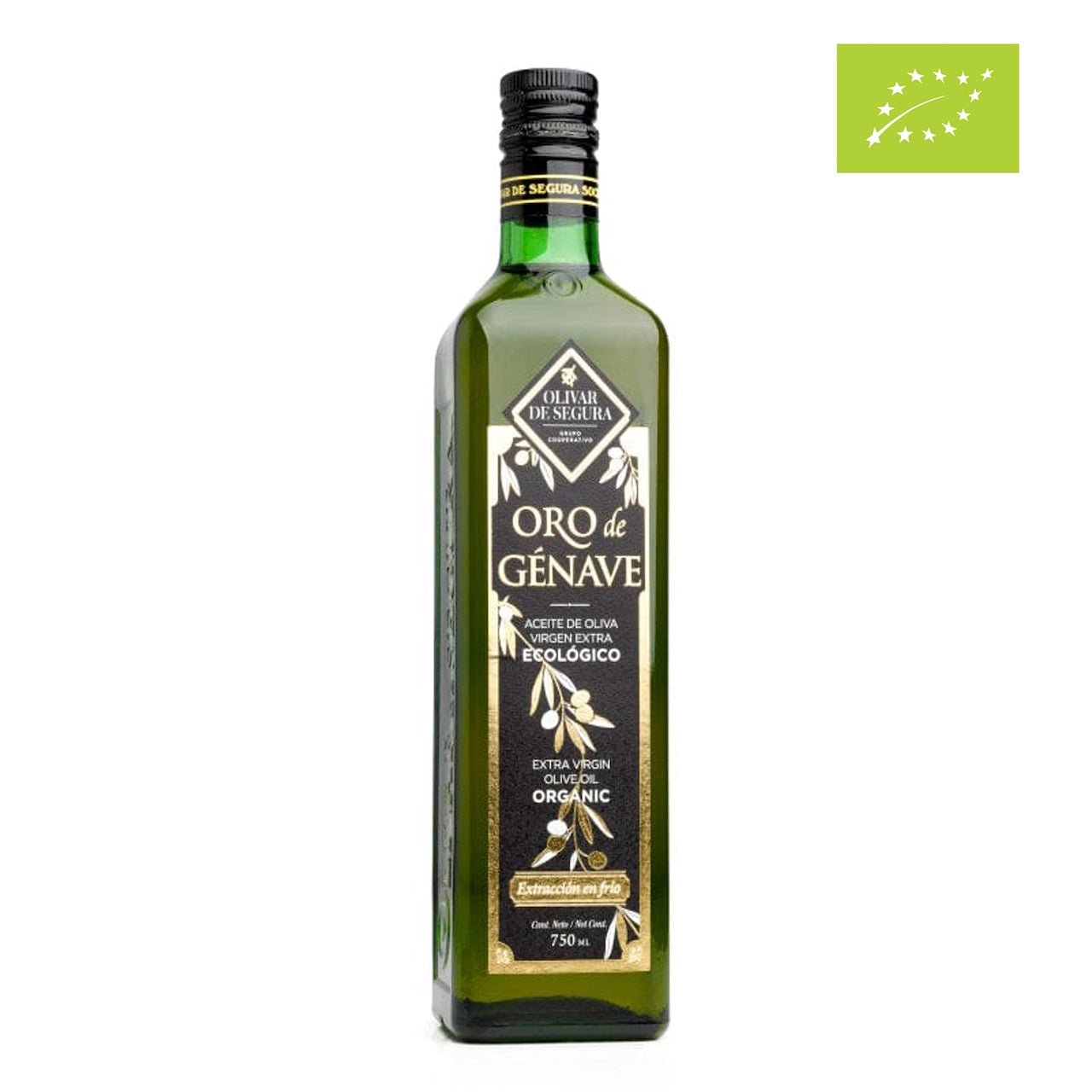
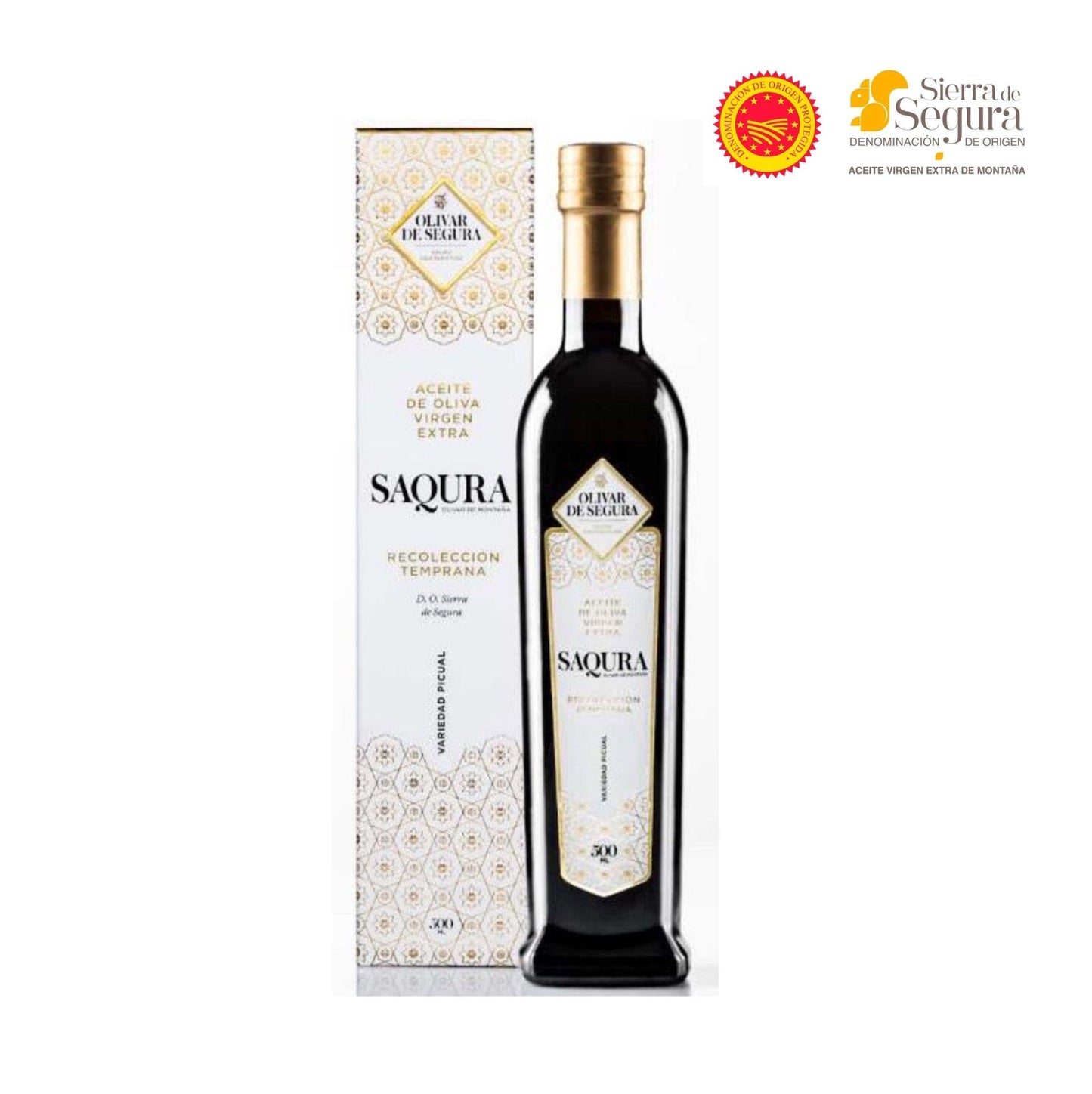
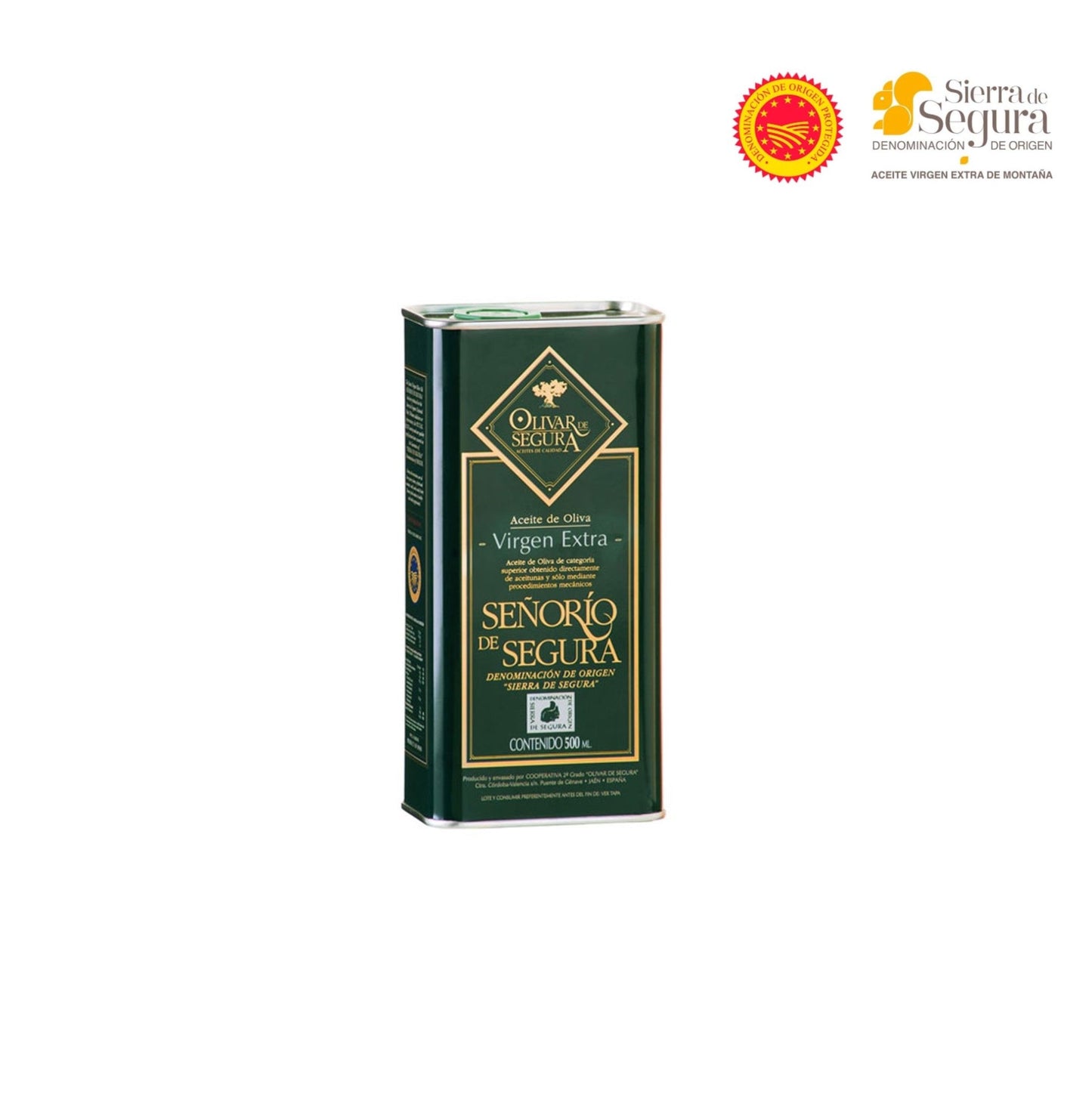
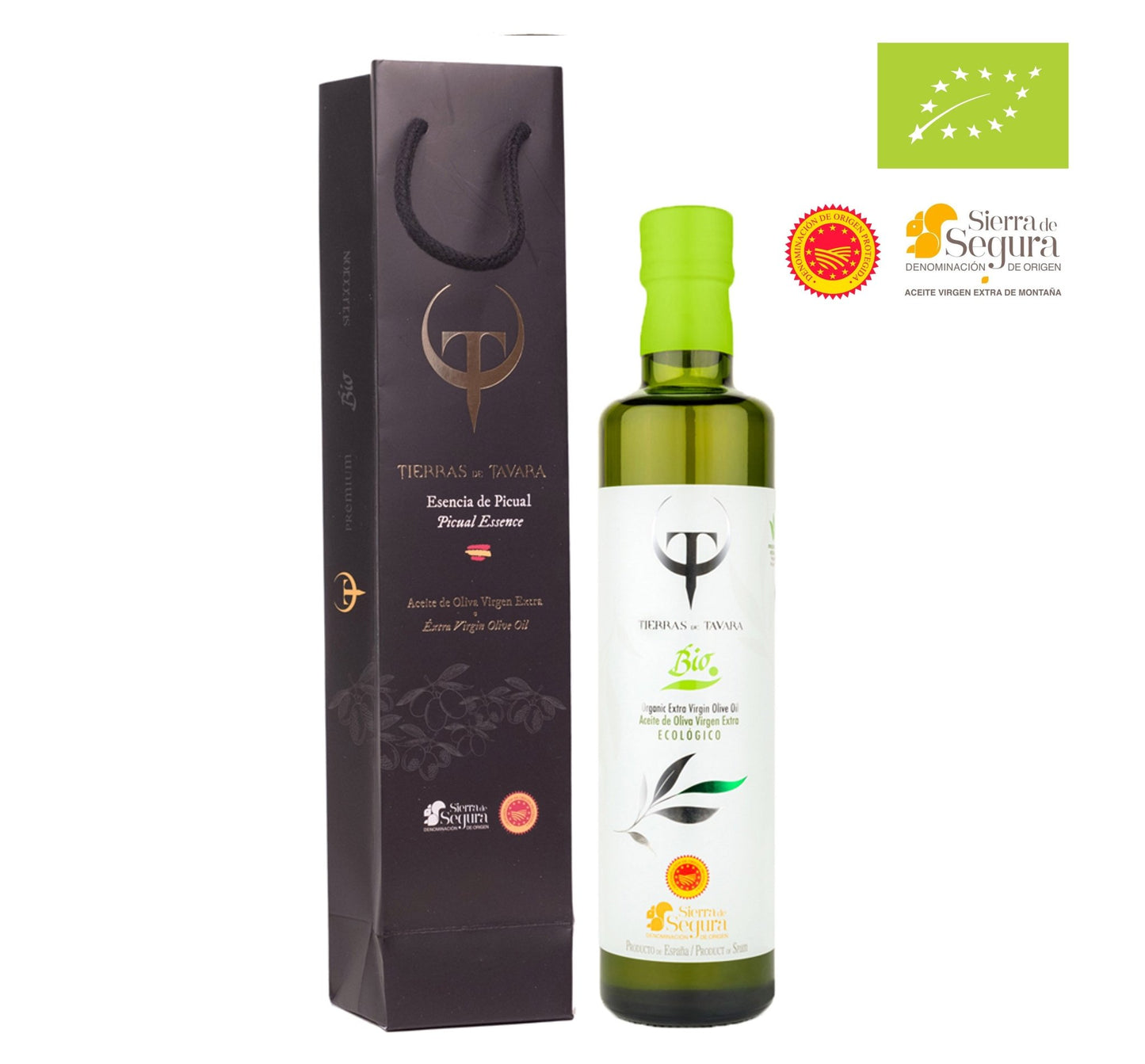
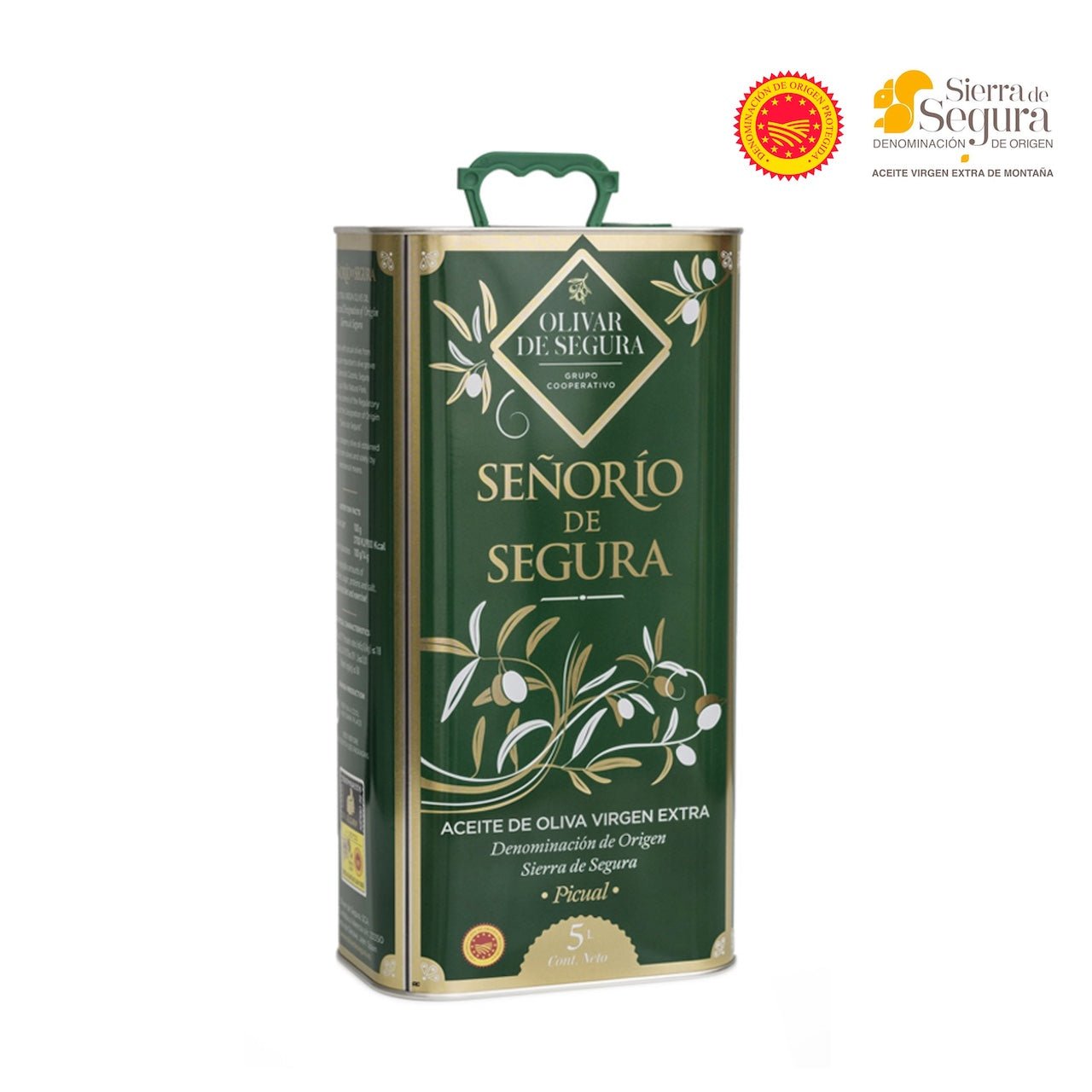
| Saqura, Tierras de Tavara, and Señorío de Segura | Via DOP Sierra de Segura |
| CUAC | Via DOP Sierra de Cazorla |
| Casa Gomez extra virgin olive oil | Organoleptic assessment by the Olive Oil Institute in the Netherlands and a technical test locally in Spain. |
| Señoríos de Relleu | The producer has organoleptic assessments conducted |
DOP stands for Denominación de Origen Protegida: Protected Designation of Origin. Certified oils must meet requirements regarding origin and quality. Look for the DOP designation on the specific bottle or tin. View our olive oil from DOP Sierra de Segura.
These quality controls are separate from the television program's test. They help explain how the oil in question is assessed and what information can be requested from the producer or supplier.
Responses after the broadcast: why batch information is useful
Producers have also responded. For example, Gkazas states in its own response that it has every batch assessed upon bottling and provides reports based on a batch number. That is a statement from the brand, not a new independent result.
For you as a buyer, this makes the lot or batch number relevant: it allows you to ask questions about the specific batch. The date of testing and the sample tested are part of the assessment. Therefore, ask for information that actually matches your oil.
What do international olive oil competitions say?
The producers behind Saqura, Tierras de Tavara, Señorío de Segura, CUAC, and Señoríos de Relleu also participate in international olive oil competitions. Our own Casa Gomez olive oil does not participate in them.
Competitions provide additional information about submitted oils. Participation does not automatically mean winning an award; an award belongs to the specific oil and year assessed. Therefore, besides any potential prizes, look at the quality control and the data for the oil you are buying.
What should you look for when buying and storing olive oil?
- Origin and producer: is it clear who makes the oil and which region it comes from?
- Control and traceability: what assessment belongs to the oil and what lot number is on the packaging?
- Protection against light: prefer packaging that blocks light, such as dark glass or tins.
- Storage after purchase: seal the packaging tightly and store the oil in a dark place, away from heat and direct sunlight.
- Taste and use: choose an oil that fits your preferences and the dishes you are preparing.
Frequently asked questions about the olive oil broadcast
Is low acidity enough to prove extra virgin quality?
No. Acidity is only one of the chemical characteristics. Other requirements and an assessment of aroma and taste are also necessary to determine the quality class.
Can you cook with extra virgin olive oil?
Yes, extra virgin olive oil is also suitable for frying and cooking. KRO-NCRV addresses this in an earlier article about cooking with olive oil. For your daily kitchen needs, view our olive oil for cooking and frying.
Is green olive oil better than golden-yellow olive oil?
The color does not prove the quality class. Professional tasters use colored glasses so they are not influenced by appearance. Aroma, taste, and relevant analyses provide more information.
Which Spanish olive oil suits you?
My Spanish family has its roots in the Sierra de Segura. That connection to the region is part of the Casa Gomez story. In addition, we want to provide you with understandable information about the producers, the taste, and the quality control.
Use our olive oil selection guide to compare flavor profiles. Do you have a question about a specific bottle or a certain batch? Please contact us; we are happy to help you further.