

Spain expects to produce around 1.6 million tonnes of olive oil in the 2026/27 harvest season, up 23% from the previous season. Nearly 79% of this expected production comes from Andalusia. This is according to the Spanish Ministry of Agriculture’s first official harvest estimate. What do these figures tell us about the new harvest? And how many olives are actually needed to produce one kilo of oil?
We’ll take you from Spain’s harvest estimate to the modern olive oil mill. This will help you understand what the big numbers mean, all the way to the oil in your bottle.
Information current as of 1 November 2026. The figures below are estimates for 2026/27 and may be revised. Olive oil production figures cover all quality categories.
Olive oil harvest estimates for 2026/27 in figures
The national estimate was published on 1 October 2026 by the Spanish Ministry of Agriculture, MAPA. The regional figures come from the Andalusian aforo: the harvest forecast presented by the Junta de Andalucía on 29 September.
| What is being estimated? | 2026/27 forecast |
|---|---|
| Spain’s olive oil production | 1,602,596 tonnes |
| Difference from the previous Spanish season | +23% |
| Andalusia’s olive oil production | 1,261,200 tonnes |
| Andalusia’s share of Spanish production | 78.7%, rounded to nearly 79% |
| Andalusian olives for olive oil mills | 6,849,200 tonnes |
| Olive oil production in the province of Jaén | 575,000 tonnes |
Sources: MAPA, first national estimate 2026/27 and Junta de Andalucía, regional harvest estimate.
What is a harvest estimate, or aforo?
An aforo is a well-founded expectation of the harvest and the amount of oil that can be extracted from it. It is a forecast: the final production will only become clear as the season progresses.
MAPA emphasises that factors such as the weather and the further development of the olives will affect the final oil yield. The expected figure of 1.6 million tonnes could therefore still change.
The official 2026/27 marketing season runs from 1 October 2026 to 30 September 2027. This is the period for which season figures are compiled; the harvest does not take place throughout the entire year.
Why Andalusia and Jaén are so important
According to the estimate, Andalusia accounts for nearly four-fifths of Spain’s olive oil production. Within the region, Jaén stands out. The province is estimated to produce 575,000 tonnes of oil, or around 36% of the Spanish total.
This region also holds personal significance for Casa Gomez. Our family roots are in the Sierra de Segura, in the province of Jaén. The harvest estimate shows how important this region is, while you should also consider the producer and origin of every individual olive oil.
How many kilos of olives do you need for one kilo of oil?
The Andalusian estimate makes an interesting calculation possible. The 6,849,200 tonnes of olives for the mills correspond to an expected oil production of 1,261,200 tonnes.
6,849,200 ÷ 1,261,200 = approximately 5.43.
This regional estimate therefore averages around 5.4 kilos of olives per kilo of olive oil. Put another way, this is about 18.4 kilos of oil per 100 kilos of olives.
This is our calculation based on the two official estimates. It is not a fixed conversion for every producer or batch. The actual yield depends on factors such as the olives and how they are processed. This average also does not indicate how much extra virgin oil a specific early harvest produces.
Also, pay attention to the units: the calculation is for kilograms of oil. Kilograms measure weight, while litres measure volume. You therefore cannot use this ratio directly to determine the number of kilos of olives per litre of oil.
From olive to oil in a modern Andalusian mill
After the harvest, the olives are taken to an olive oil mill, known in Spain as an almazara. There, leaves and other unwanted parts are removed and the fruit is cleaned. A modern mill usually grinds the olives, pits included, into a paste.
This paste is slowly mixed so that small oil droplets can merge. Then a centrifuge separates the oil from the remaining mass. In many Spanish facilities, this is done using a two-phase decanter, producing one stream of oil and one stream of wet olive residue, known as alperujo.
A vertical centrifuge can then remove any remaining water and fine particles. Filtration and storage in stainless steel tanks often follow. The exact setup varies from mill to mill.

The term cold extraction may be used for virgin and extra virgin olive oil if the oil is obtained by centrifuging or percolating the olive paste at a temperature below 27 °C. The extra virgin classification is also determined by chemical and sensory criteria.
What does the estimate mean for your choice of olive oil?
The harvest estimate helps you understand the scale and origin of the expected production. It does not predict the taste or quality category of an individual bottle. The national production figure does not indicate a fixed retail price either.
When choosing extra virgin olive oil, therefore, look at the information about the specific oil: where do the olives come from, who produces the oil, and which flavour profile suits your dishes? A clearly stated harvest and good information about storage will help you.
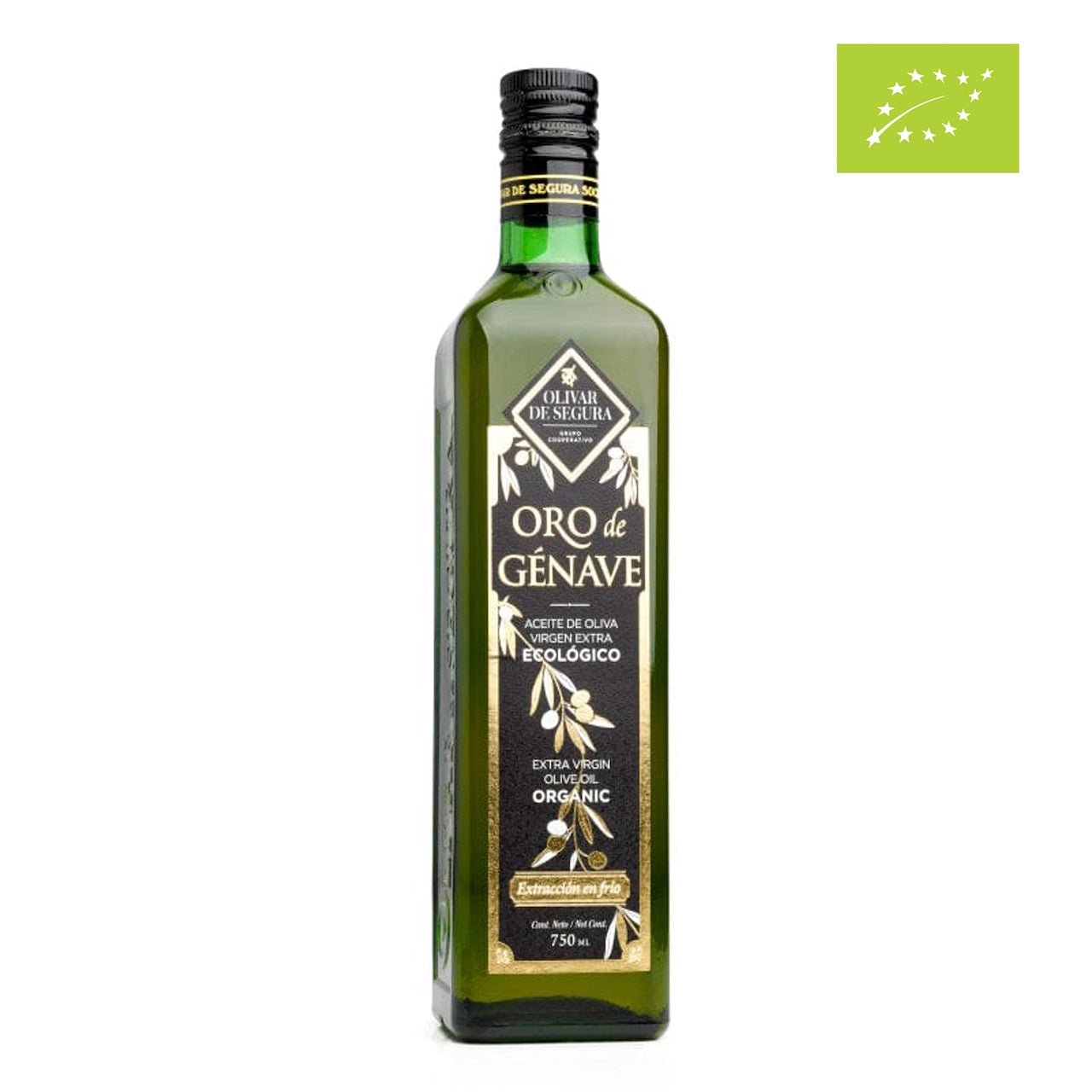
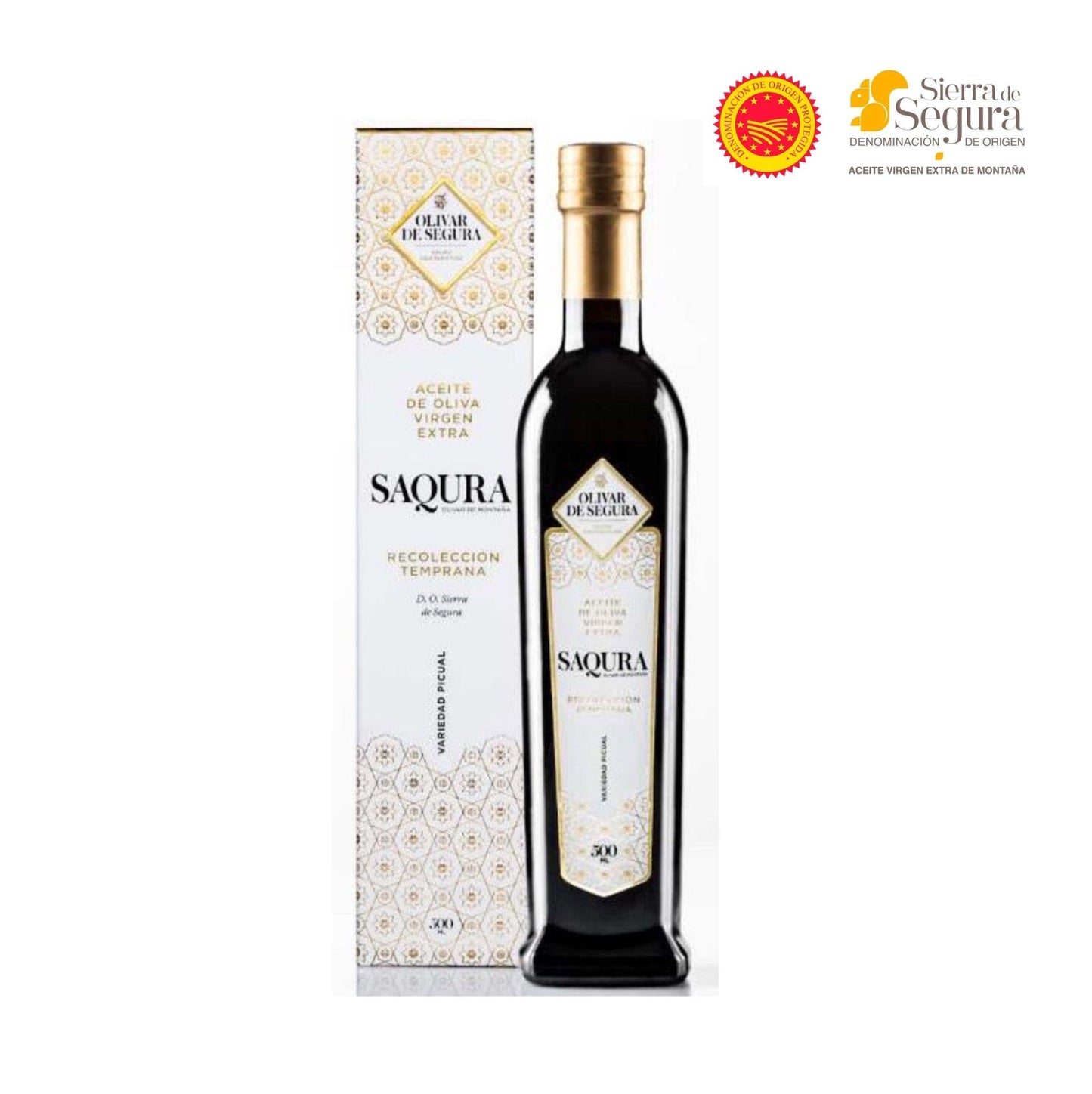
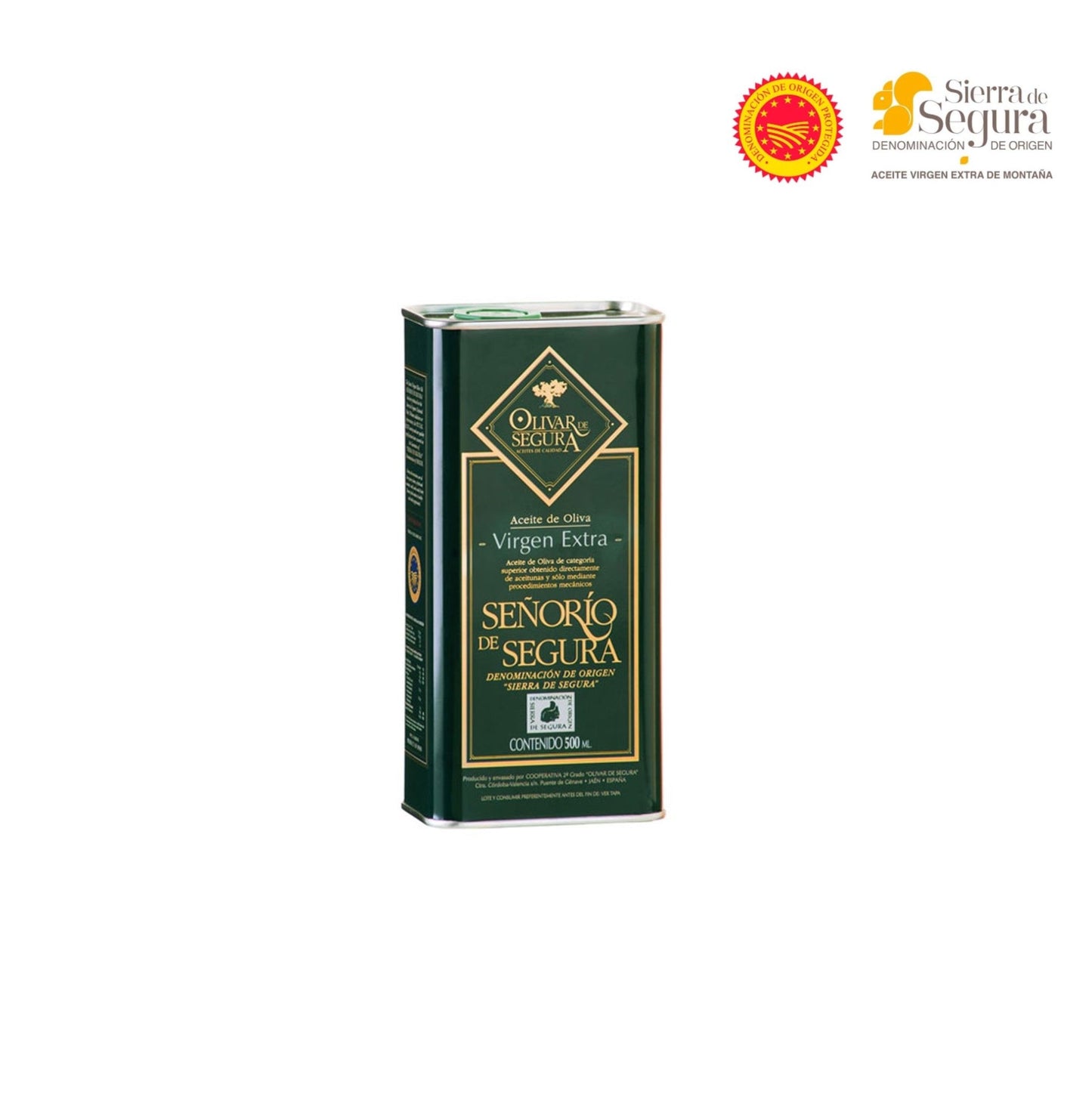
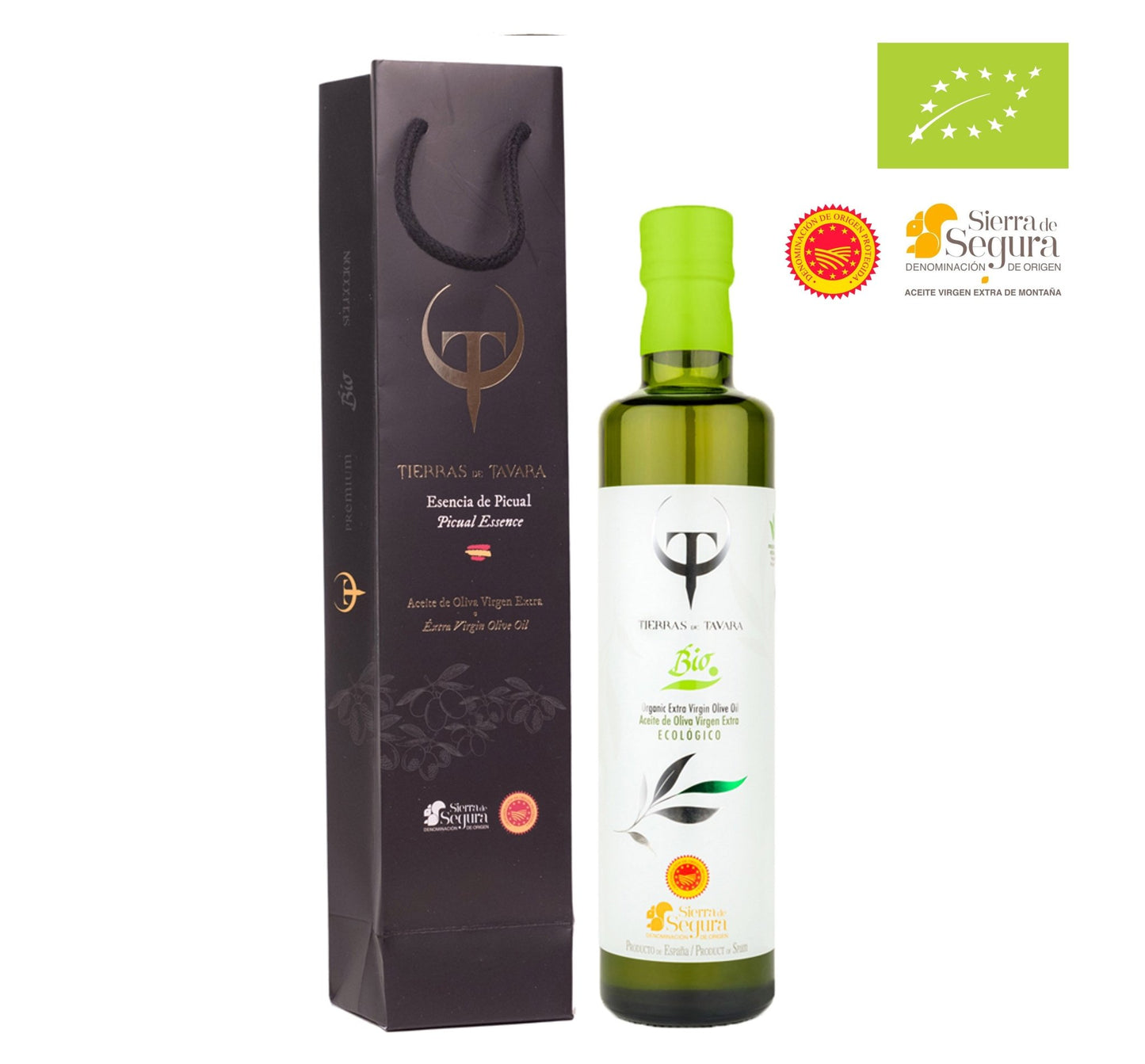
Want to discover the differences? Use our olive oil comparison guide or explore the Casa Gomez range of Spanish extra virgin olive oil.
Sources and accountability
- MAPA, 1 October 2026: first national estimate, regional breakdown and provisional status of the figures.
- Junta de Andalucía, 29 September 2026: expected quantities of Andalusian olives and oil, and provincial figures.
- BOE, Order APA/1145/2026, Article 2: start and end dates of the marketing season.
- GEA, Olive oil recovery: process steps and two-phase extraction.
- Alfa Laval, olive oil production: grinding, mixing, centrifuging and refining.
- EU Regulation 2022/2104: cold extraction and quality criteria for olive oil.
The ratios of around 5.4 kilos of olives per kilo of oil and 18.4 kilos of oil per 100 kilos of olives are our own calculations based on the Andalusian estimate. They describe an estimated regional average, not a measurement of an individual Casa Gomez product.