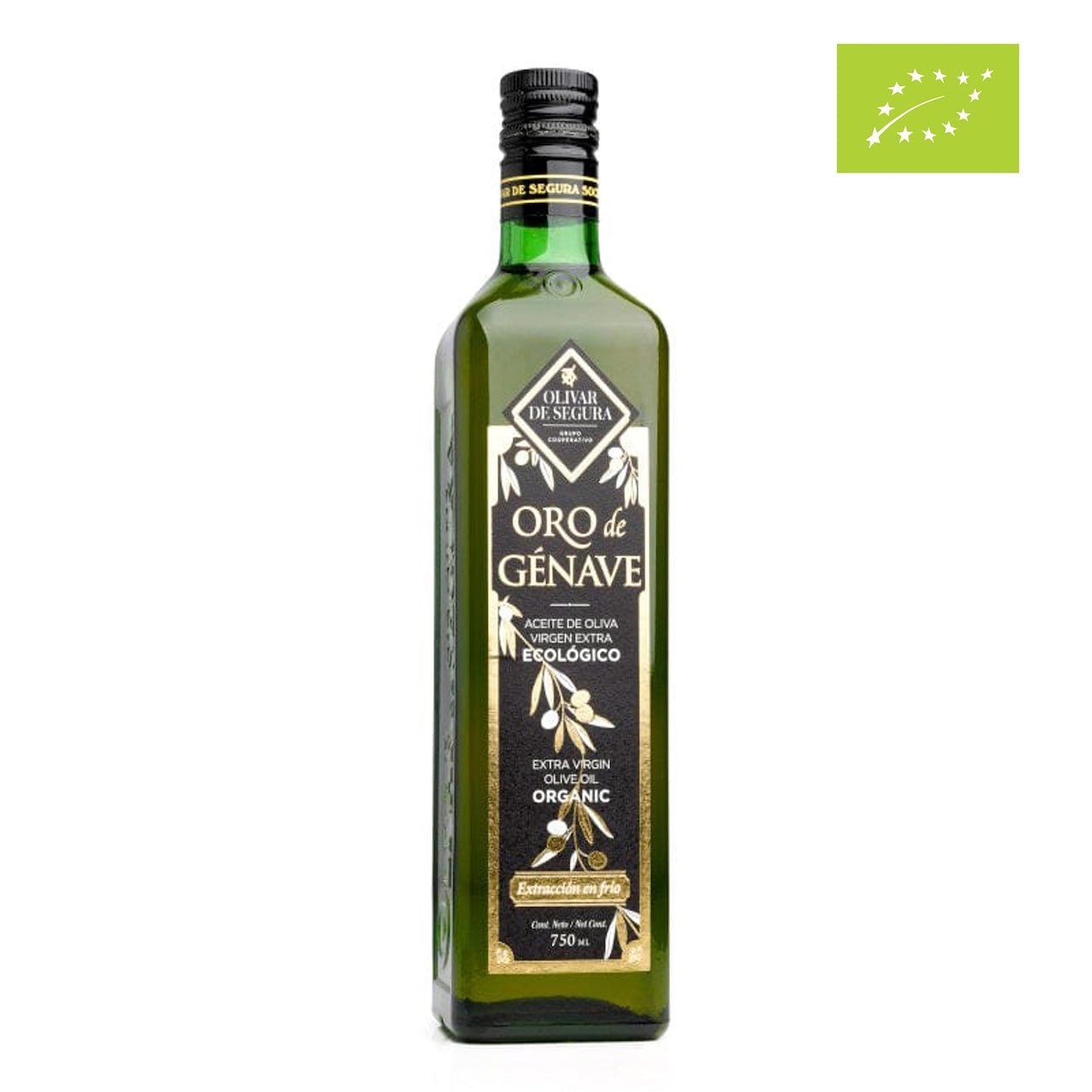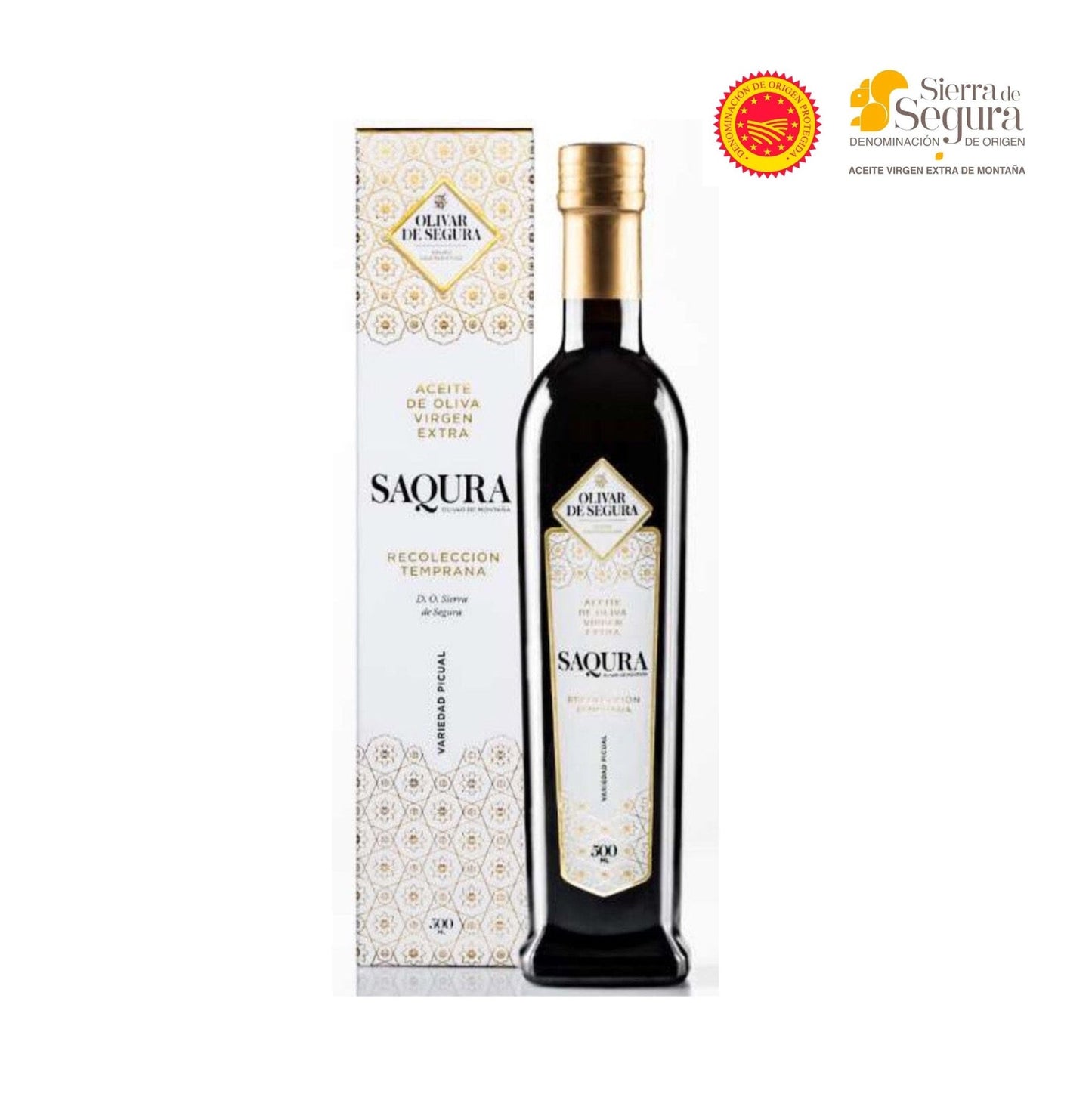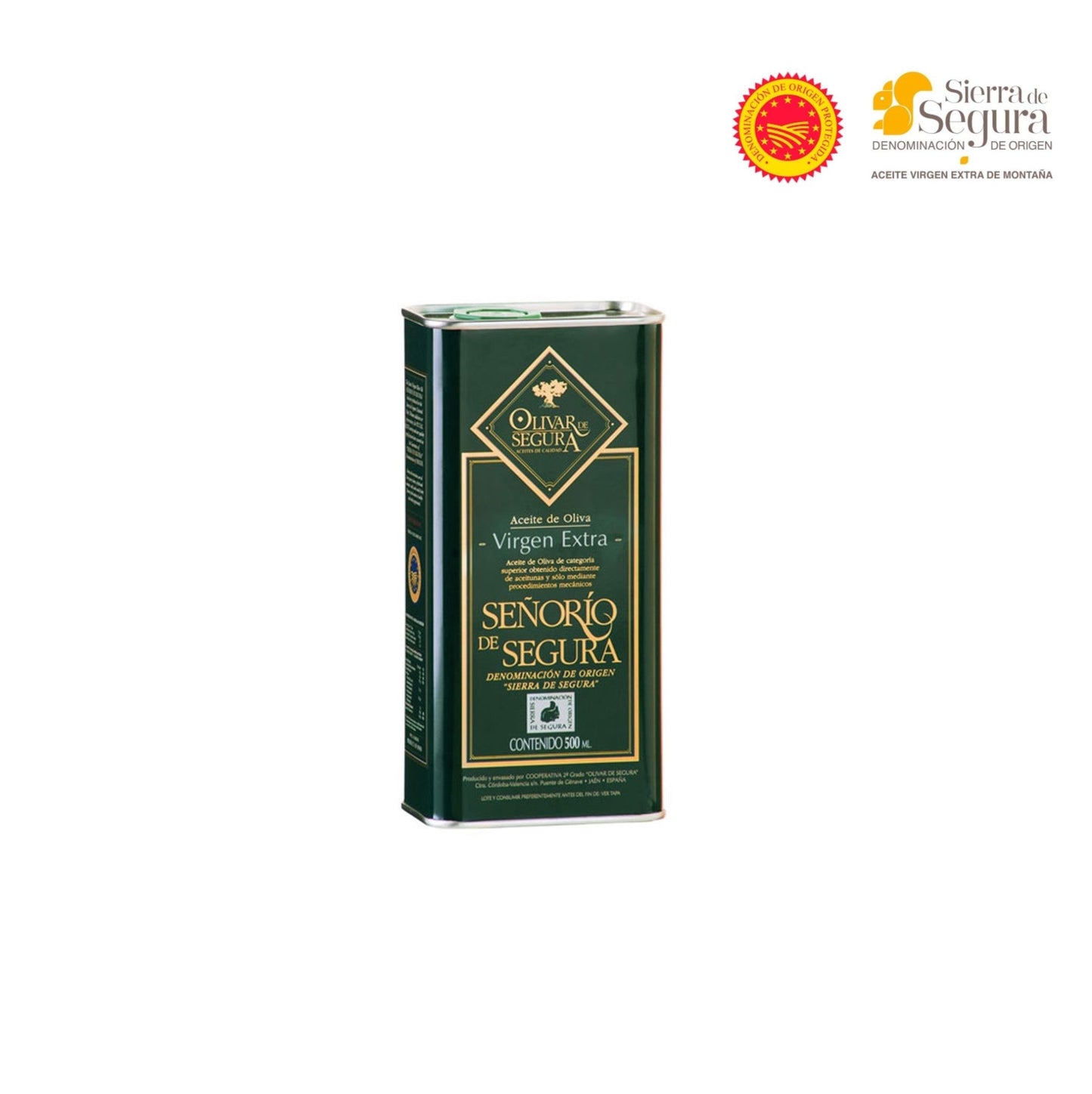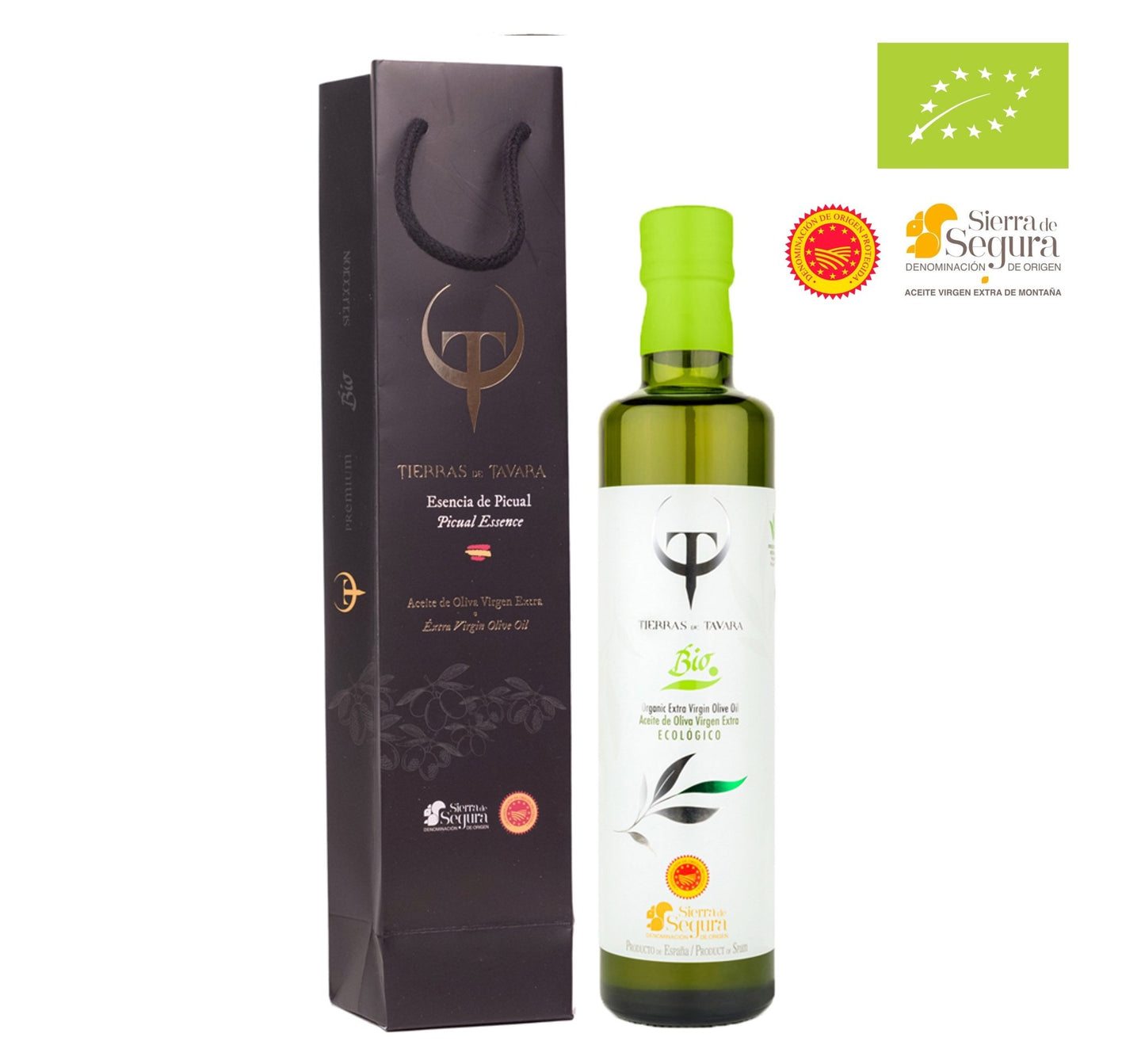


Many people automatically think of Italy when they think of premium olive oil. Tuscany, Umbria, and colorful labels have for years shaped the image of what the best extra virgin olive oil should be. But is that actually true?
In the summer of 2026, the Financial Times, just after we published our own article "How Italian is Italian olive oil really?" at the end of June, published a striking article titled “Sorry, but Spanish olive oil is far superior to Italian.”
That might sound provocative, and on social media, the discussion flared up about whether Greek, Italian, Turkish, or Spanish olive oil is best, but the article's conclusion aligns with what experts have known for a long time: Spain currently produces a large portion of the absolute top-quality extra virgin olive oil. Extra virgin is the Italian name for the same quality: cold-pressed oil from the first pressing.
Does that mean all Spanish olive oil is better than Italian? No. But it does show that it's time to let go of old prejudices.
Short answer: Is Spanish olive oil better than Italian?
No, Italian olive oil is not automatically better than Spanish olive oil. Spain currently produces much of the world's best extra virgin olive oil. Therefore, don't just look at the country of origin, but especially at the producer, the harvest year, the olive variety, and the quality of the processing.
Spain is the world's largest olive oil producer
In a normal harvest year, Spain produces approximately 40 to 45 percent of all olive oil worldwide. That is many times more than Italy.
For a long time, however, a large part of that Spanish olive oil was sold in bulk to Italian companies. There, the oil was blended, bottled, and sold worldwide under Italian brands. As I wrote before, my father already mentioned that olive oil from the Sierra de Segura was also sent to Italy and the large producers.
This created the impression that Italy produced the best olive oil, while a significant part of the oil originally came from Spain. Fortunately, that perception has been changing rapidly in recent years.
Spanish producers are investing heavily in quality
Where volume used to be the main focus, many Spanish producers are now concentrating on maximum quality.
- Early harvest, also called cosecha temprana
- Processing within hours of picking
- Modern olive oil mills
- Storage under controlled conditions
- Laboratory analyses
- International quality competitions
- Full traceability from tree to bottle
The result is an extra virgin olive oil with many fresh aromas, natural bitterness, and a slight pungency. These very characteristics are often hallmarks of a high-quality olive oil.
Why does Italy have such a strong image then?
Italy has done an excellent job for years in marketing, gastronomy, and brand experience. A beautiful bottle, a Tuscan villa, and an Italian label appeal to the imagination.
Spain, on the other hand, has for years focused mainly on producing excellent olive oil, but communicated much less about the story behind the product.
That is changing rapidly. More and more Spanish producers are winning international awards and are globally recognized as producers of top-quality extra virgin olive oil.
From Spanish olive tree to an Italian label
For years, part of the international olive oil trade followed roughly the process below:
| Step | What happened? |
|---|---|
| 🌳 1. Harvest | Olives were harvested in Spain, often in Andalusia. |
| 🏭 2. Processing | The olives were processed into olive oil. |
| 🚛 3. Bulk transport | Large quantities of Spanish olive oil were exported to Italy. |
| 🫒 4. Blending | Italian companies could blend different oils to create a desired taste or style. |
| 🍾 5. Bottling | The oil was bottled and sold under an Italian brand. |
| 🌍 6. Global sales | Consumers often associated the final product with Italy, while the oil could be wholly or partly from Spain. |
 (image created with AI)
This does not mean, by the way, that there was anything wrong with the quality of the oil. On the contrary: Spanish olive oil was widely used precisely because of its large production and available quality.
It mainly shows how strong Italy was for years in branding and international marketing.
Spanish olive oil versus Italian olive oil
| Subject | 🇪🇸 Spanish olive oil | 🇮🇹 Italian olive oil |
|---|---|---|
| World production | Approximately 40–45% of world production in a normal harvest year | Significantly smaller share |
| Known regions | Jaén, Sierra de Segura, Sierra de Cazorla, Córdoba, Toledo | Tuscany, Puglia, Umbria, Sicily |
| Known olive varieties | Picual, Arbequina, Hojiblanca, Royal, Cornicabra | Frantoio, Leccino, Coratina, Moraiolo, Nocellara |
| International image | Increasingly strong thanks to quality and international awards | A strong premium image for decades |
| Historical role | Large producer and supplier | Strong in branding, bottling and international sales |
| Taste | Very diverse: from fresh and green to powerful, bitter and peppery | Also very diverse, depending on region and olive variety |
| Key advice | Look at producer, harvest year and quality | Look at producer, harvest year and quality |
The conclusion? Those who only consider the country of origin often miss the most important information.
An excellent olive oil is not recognized by a Spanish or Italian flag on the label, but by factors such as the quality of the olives, the harvest time, the speed of processing, the storage, and the care with which the oil is produced.
What should you really pay attention to when buying olive oil?
- Extra virgin quality
- A clearly stated harvest year
- Olive variety, such as Picual or Royal
- Region of origin
- The producer
- Fast processing after harvest
- Dark glass bottle or tin
- Transparency about quality and origin
That ultimately says much more about the quality than just the country listed on the label.
Why we consciously choose Spain
At Casa Gomez, we don't choose Spanish olive oil because Spain is the largest producer in the world. Our connection to Spanish olive oil is much closer to home. Our family comes from the province of Jaén, the heart of Spanish olive oil production. This means we know the region, the traditions, and how high-quality extra virgin olive oil is produced.
In our webshop, you'll find carefully selected extra virgin olive oil from producers in areas such as Sierra de Segura, Sierra de Cazorla, and Relleu in Alicante. We consider taste, origin, production method, reliability, and quality.
We do not believe that a country determines how good an olive oil is. It is primarily the olives, the producer, the harvest moment, and the processing that make the difference. Discover our selection of extra virgin olive oil and our organic olive oil.
Want to know more about extra virgin olive oil?
Want to learn more about recognizing and choosing high-quality olive oil? Read our other articles:
- What are polyphenols in olive oil and why are they important?
- Which olive varieties are used for olive oil?
- Comparing olive oil: what should you look for?
On these pages, we explain step-by-step where quality differences come from and how you can recognize a good extra virgin olive oil yourself.
Conclusion: Spain or Italy?
Is Spanish olive oil better than Italian olive oil? That ultimately depends on the producer and the oil you are comparing.
But one thing is clear: the idea that Italian olive oil is automatically better than Spanish olive oil is outdated.
Spain is now among the absolute world leaders when it comes to high-quality extra virgin olive oil. International recognition and the growing attention to producers from regions such as Jaén confirm this time and again.
Perhaps it's time to not just look at the label, but especially at what is actually in the bottle.
Frequently Asked Questions
Is all Spanish olive oil better than Italian olive oil?
No. Both Spain and Italy produce excellent and less good olive oil. The producer, olives, harvest, and processing are more important than the country alone.
Why is Italian olive oil often considered better?
For decades, Italy has had a very strong international image in gastronomy, design, and premium food products. Spanish producers have historically placed less emphasis on marketing and brand experience.
Which Spanish region is known for good olive oil?
The province of Jaén in Andalusia is one of the most important olive oil regions in the world. Within Jaén are areas such as Sierra de Segura and Sierra de Cazorla, regions with a long olive oil tradition.
Which Spanish olive variety is the best known?
Picual is the most widely planted olive variety in Spain and is particularly common in Jaén. Picual olive oil is known for its green aromas, slight bitterness, pungency, and high stability.